Kelly Ryan
Philanthropy Reimagined
Community Stewardship: People and Place at the Center
Vision for what comes next
Rural communities across the country are navigating deep transition. Decades of resource extraction have reshaped local economies just as demographic shifts and technological change accelerate beyond what many communities are equipped to absorb.
Too often, meaningful change only happens in response to crisis. The greater opportunity, particularly for place-based philanthropy, is to help communities move from reacting to shaping their own future: building trust, nurturing relationships, and strengthening agency long before crisis forces the question.
This work happens person to person, organization to organization, and across generations. It asks for more than capital. It asks for values-aligned partnership built around priorities that communities define for themselves, so that stewardship of place and of one another becomes the foundation for growth that is both sustainable and shared.
Kelly’s Perspective
Community Stewardship: People and Place at the Center
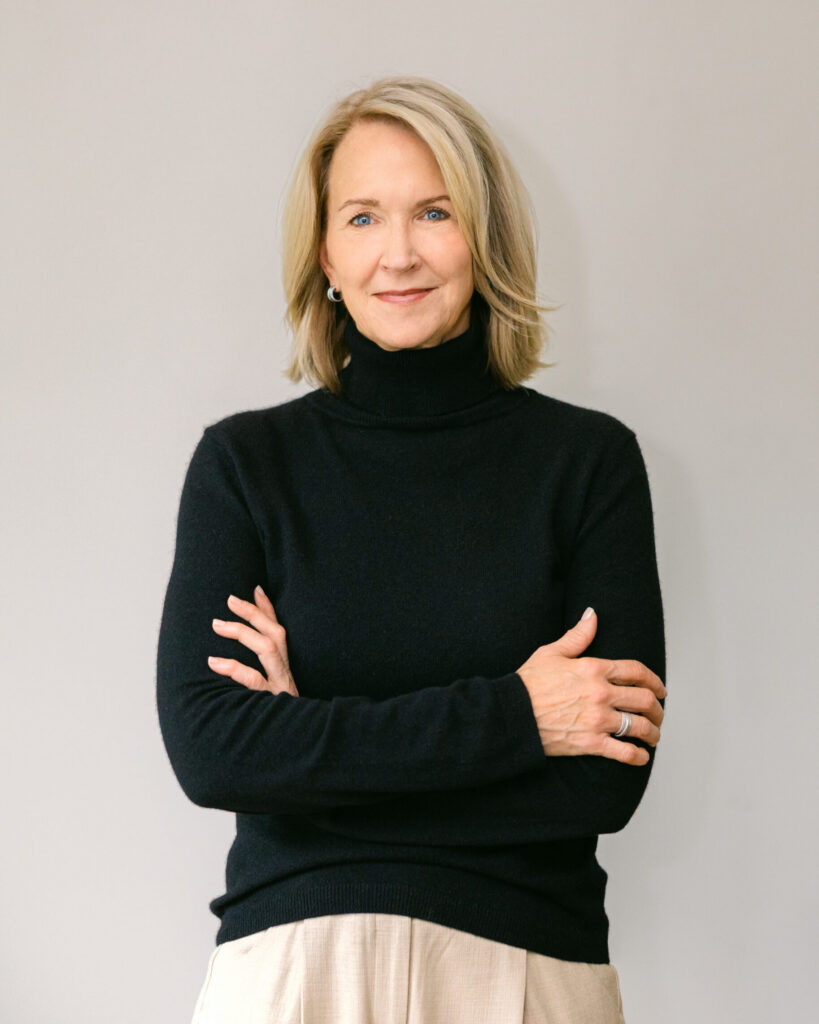
Kelly Ryan is recognized nationally for reframing conventional approaches to place-based philanthropy, economic development and impact investing. Her work is grounded in a simple but powerful belief: communities do not become investable because outside capital arrives—they become investable when local people recognize and steward their own assets, exercise agency, and shape a shared vision for the future.
Drawing on more than three decades of leadership in community philanthropy, Kelly has demonstrated that sustainable economic growth begins with people rather than projects. While traditional development strategies often focus on attracting external investment, Kelly’s approach centers on strengthening community assets – the human, social, intellectual, moral, natural, and financial capitals already present. She believes that when these forms of capital are connected and aligned around shared values, communities become resilient, innovative, and attractive to long-term investment.
Her leadership at Incourage Community Foundation became a nationally recognized and award-winning example of this philosophy in action. Following the collapse of a major regional employer, Kelly led a transformation that moved beyond crisis response toward rebuilding community confidence, strengthening civic leadership, fostering entrepreneurship, and creating systems that empower residents to shape their own future. Rather than measuring success solely by financial returns, her work demonstrated how investments in trust, relationships, and local ownership create lasting economic opportunity.
Kelly has also helped redefine the role of community philanthropy and mission-related investing. She advocates for a values-aligned approach in which investors, foundations, businesses, and neighbors work as long-term partners—not transactions. Her work emphasizes active stewardship, collaborative leadership, and community-defined measures of success, ensuring that investments reflect the aspirations of the people who live there.
Today, Kelly continues to apply these principles nationally through her consulting practice and advisory work with the U.S. Endowment for Forestry and Communities and the development of the Guidebook for Forest Reliant Communities.
She works across the country to help leaders build resilient economies, strengthen local ownership, steward natural assets, and create conditions where communities thrive from the inside out.
Guiding Principles that advance Community Stewardship
Communities are people, not projects.
Lasting transformation begins by respecting, recognizing and investing in the strengths, knowledge, and leadership already present within communities.
People create investable places.
Financial capital is most effective when it follows investments in trust, relationships, leadership, and local capacity.
Philanthropy should build agency, not dependency.
Effective philanthropy equips residents and institutions to become stewards of their own future.
Collaborative economies outperform extractive ones.
Economic development is strongest when investors, foundations, businesses, and neighbors work as long-term partners to help define priorities, shape investments, and measure success.
Connected capitals create greater impact – the most effective philanthropy aligns all capitals in service to mission.
Human, social, natural, intellectual, moral, reputational, and financial capitals are interdependent and should be aligned to work together to drive sustainable prosperity.
Communities are people, not projects.
Lasting transformation begins by respecting, recognizing and investing in the strengths, knowledge, and leadership already present within communities.
People create investable places.
Financial capital is most effective when it follows investments in trust, relationships, leadership, and local capacity.
Connected capitals create greater impact – the most effective philanthropy aligns all capitals in service to mission.
Human, social, natural, intellectual, moral, reputational, and financial capitals are interdependent and should be aligned to work together to drive sustainable prosperity.
Philanthropy should build agency, not dependency.
Effective philanthropy equips residents and institutions to become stewards of their own future.
Collaborative economies outperform extractive ones.
Economic development is strongest when investors, foundations, businesses, and neighbors work as long-term partners to help define priorities, shape investments, and measure success.
Why This Perspective Matters Today
As communities across the country confront economic transition, workforce challenges, changing ownership patterns, and the future of rural America, Kelly Ryan offers more than theory—she offers decades of practical experience, demonstrated impact and commitment to community-led transformation. Her work bridges philanthropy, impact investing, economic development, and systems leadership, helping organizations rethink how lasting change happens.
Kelly’s perspective resonates with foundations, community leaders, policymakers, and investors seeking practical strategies that produce stronger economies while preserving local identity, strengthening civic leadership, and expanding opportunity for future generations. This combination of visionary thinking and practical implementation has established her as one of the nation’s leading voices on community stewardship, place-based philanthropy, and sustainable rural development.
Building stronger communities
through strategic philanthropy, participatory processes, and sustainable economic development
National Advisor – Speaker – Strategic Consultant and Facilitator
Awards
Council on Foundation’s Critical Impact Award
Named One of the Top 50 Nonprofit Executives in the US by NonProfit Times
Named One of Rockefeller Foundation’s “Six Big Bets for the Future of Philanthropy”
Aspen Institute Scholar
USDA Rural Innovator
Relevant Publications
“Increasing Impact: People and Place at the Center” – Stanford Social Innovation Review
Here for Good: Community Foundations and the Challenges of the 21st Century – Chapter 20: “Community Foundation Leadership: Adaptive and Agile”
Plan B: A Guidebook for Forest-Reliant Communities Facing Economic Transition
The Role of Private Equity in the Decline of a Major Forest Products Company: A Case Study – NYU Stern Center for Sustainable Business